

This is my point of view regarding the differences and some similarities that Safety in Construction and Safety in General Industrial have. This article is not intended to be an implementation guide for EHS programs in either area. I only intend to make a point of comparison based on my experience and it is possible that there are points that are not touched on in this article.
Safety in the workplace is a paramount concern across various industries, but it is essential to recognize that different sectors have unique safety challenges and requirements. Two significant domains in this regard are construction safety and industrial safety. While both are dedicated to protecting workers and the public from potential hazards, they differ in their scope, focus, and practices. In this article, we will explore the key distinctions between construction safety and industrial safety.
Nature of Work
Construction Safety:
Construction safety primarily revolves around temporary projects that involve building, renovating, or repairing structures. These projects often have defined start and end dates, and the work is typically outdoors. Construction sites are dynamic and constantly changing as the project progresses, which means that safety measures must adapt accordingly. Hazards on construction sites often include falling objects, electrical hazards, heavy machinery, and working at heights.
Construction sites are dynamic and ever-changing environments. Structures rise and fall, materials move around, and conditions transform daily. This dynamism necessitates a heightened awareness of the immediate surroundings. Workers in construction must be vigilant about changing conditions, ranging from unstable scaffolding to shifting ground due to excavation.
Industrial Safety:
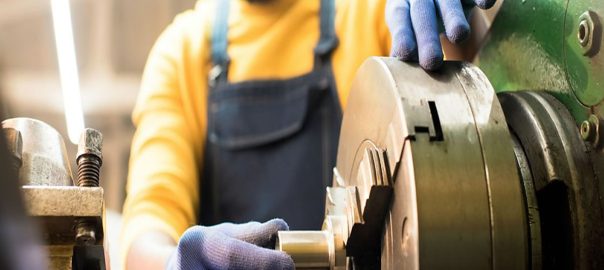
Industrial safety, on the other hand, pertains to manufacturing plants, factories, Warehouses, DC, and other facilities where large-scale production or processing occurs. The nature of work in industrial settings is often continuous and more predictable, involving machinery and equipment used in repetitive processes. Hazards in industrial environments can include chemical exposure, machinery accidents, electrical issues, and ergonomic concerns.
In Industrial safety is more static nature. Machinery and equipment are often stationary, and production processes tend to be stable over extended periods. This stability allows for a more predictable safety environment but also comes with its own set of challenges, such as the risk of complacency and the need for consistent adherence to safety protocols.
Regulatory Framework
Construction Safety:
Construction safety is subject to a unique set of regulations and standards that address the temporary and evolving nature of construction sites. Regulatory bodies like the Occupational Safety and Health Administration (OSHA) in the United States predominating OSHA CFR1926 standards, and similar agencies worldwide provide guidelines specific to construction safety. These regulations often cover aspects such as fall protection, scaffolding, excavation, and personal protective equipment (PPE).
Industrial Safety:
Industrial safety adheres to its own set of regulations and standards, which are generally more permanent and stable compared to construction. Organizations in industrial sectors must comply with regulations specific to their industry, such as those from the Environmental Protection Agency (EPA) for chemical manufacturing or the Food and Drug Administration (FDA) for food processing and predominating OSHA CFR1910 standards. These standards focus on factors like machine guarding, chemical handling, emissions control, and worker ergonomics.
Risk Assessment
Construction Safety:
Risk assessment in construction safety typically involves evaluating the immediate risks related to the current phase of the project. As construction sites evolve, hazard assessments and safety plans must be continuously updated to address changing conditions. Contractors often conduct toolbox talks and safety meetings to ensure that workers are aware of the specific risks associated with their tasks.
Industrial Safety:
In industrial settings, risk assessment tends to be more focused on identifying and managing long-term or chronic risks. Industrial safety programs place emphasis on implementing preventive measures to reduce the likelihood of accidents and injuries during routine operations. Safety professionals in industrial environments often employ techniques like Process Hazard Analysis (PHA) and Failure Mode and Effects Analysis (FMEA) to identify and mitigate potential risks.

Hi, this is a comment.
To get started with moderating, editing, and deleting comments, please visit the Comments screen in the dashboard.
Commenter avatars come from Gravatar.